-았/었으면 (Ass-eoss-eu-myeon): Why Korean Uses the Past Tense to Talk About Right Now
You're mid-conversation with a Korean friend. They sigh and say 돈이 많았으면 좋겠어요 (don-i man-ass-eu-myeon jo-ket-sseo-yo, "I wish I had a lot of money"). You catch the -았- in there — that's past tense — so you ask, confused: "Wait, when did you have money?"
They stare at you. They weren't talking about the past at all.
This is the moment every intermediate Korean learner hits, and almost no textbook explains it cleanly. You've been taught two things: -면 (-myeon) means "if," and -았/었- (-ass-/eoss-) marks the past. So when you see them fused together, your brain does the logical thing and assumes you're dealing with a past condition. But the person in front of you is describing a present longing, eyes fixed on something they want right now and can't have.
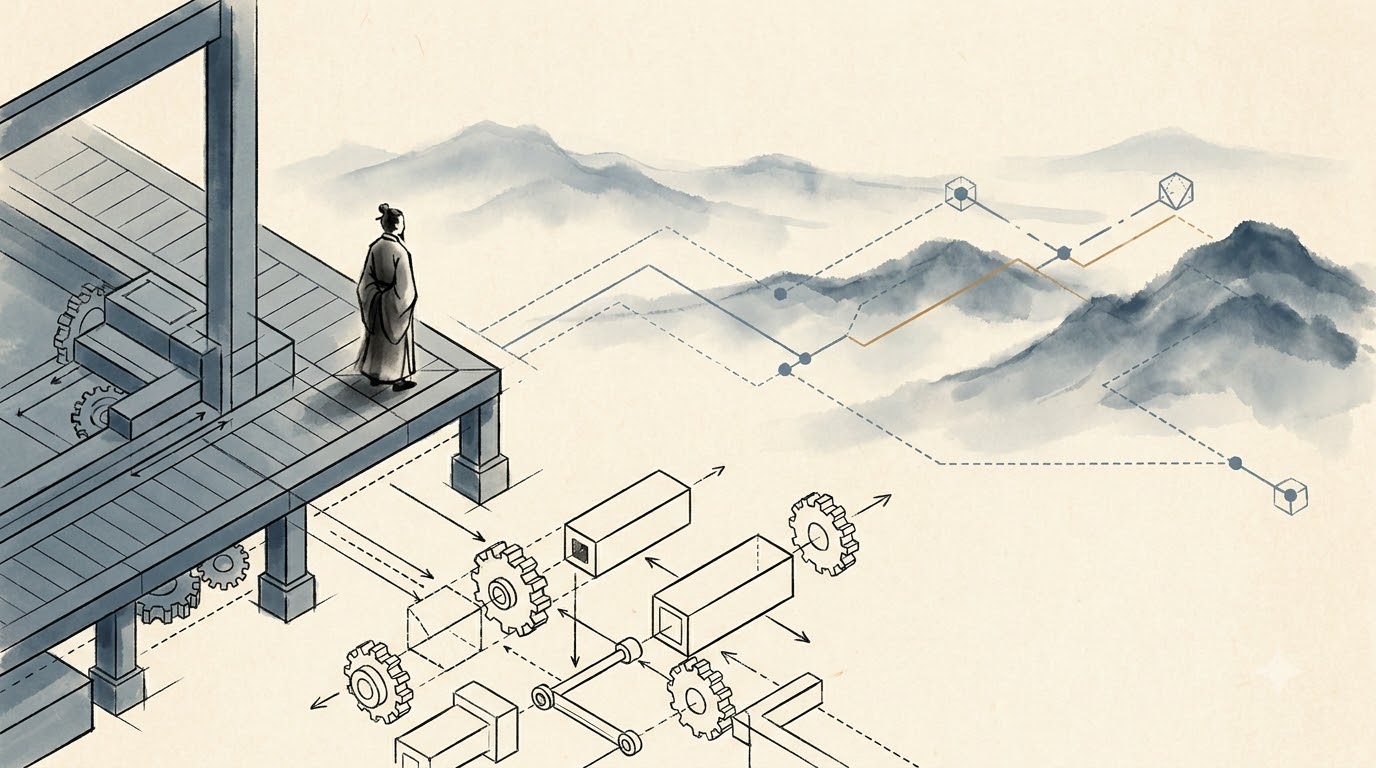
The past tense isn't pointing backward. It's pointing inward.
- • The Half-Truth Your Textbook Taught You
- • Two Conditionals, Two Completely Different Feelings
- • The Grammar of Longing: What 소망 Actually Requires
- • Politeness Lives Here Too: 완곡어법 in Action
- • Three Mistakes That Reveal the Confusion
- • Try This Right Now — Not Later, Now
- • What a Korean Listener Actually Hears
The Half-Truth Your Textbook Taught You
Most courses handle this structure with a single line: "-았/었으면 is used for wishes or past conditions." Technically true. Completely useless.
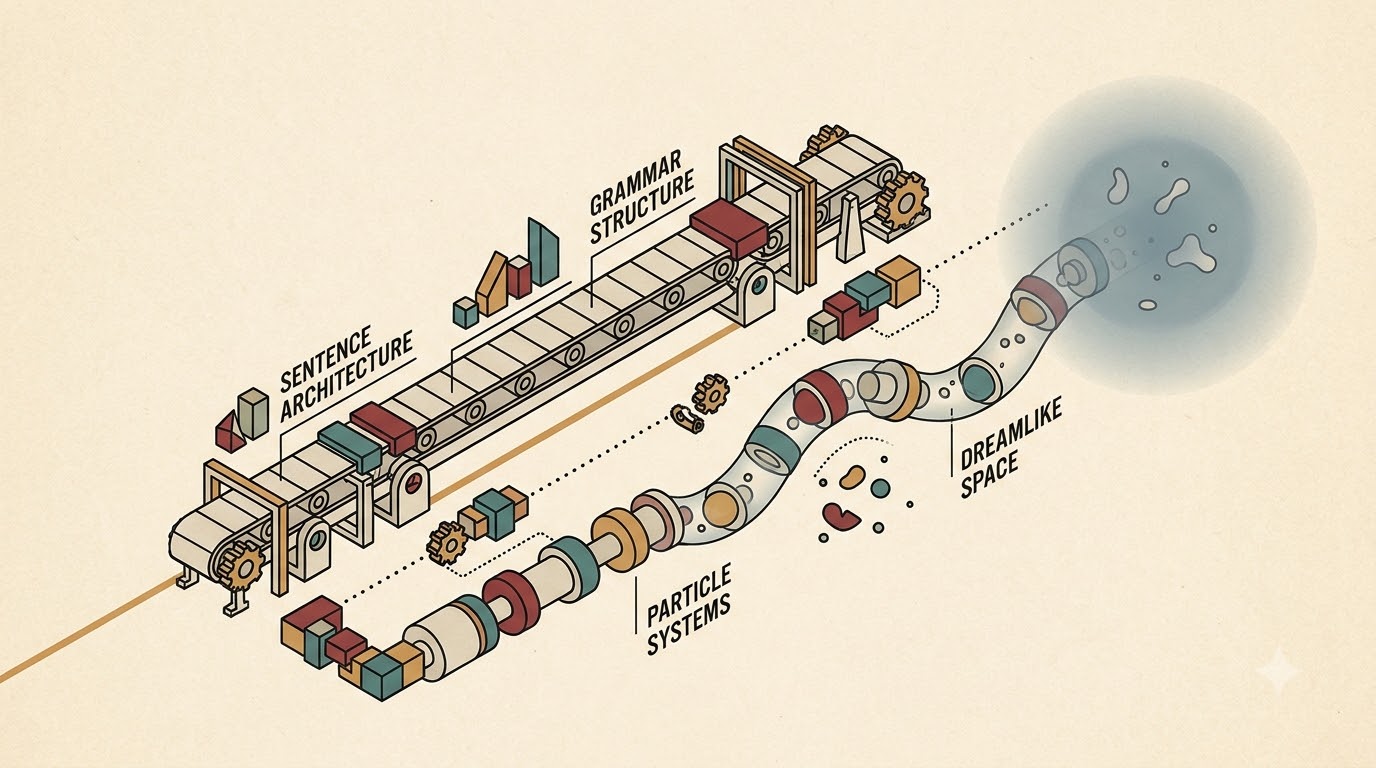
Here's what gets left out: the past-tense marker -았/었- is doing something grammatically unusual in this construction. It isn't marking time. It's marking distance — specifically, the emotional distance between where the speaker is standing right now and the reality they wish existed instead.
This is the concept Korean linguists and teachers sometimes describe as 거리두기 (geo-ri-du-gi, "creating psychological distance"). The word literally means "distancing," and in everyday Korean speech, it describes the act of stepping back from an immediate, uncomfortable reality to make room for imagination. The past-tense marker is the grammatical version of that step backward — not away from the past, but away from a present the speaker doesn't love.
Once you see this, the whole structure unlocks.
Two Conditionals, Two Completely Different Feelings
Put these sentences side by side:
비가 오면 운동화를 안 신어요 (bi-ga o-myeon un-dong-hwa-reul an sin-eo-yo, "If it rains, I don't wear sneakers").
돈이 많았으면 좋겠어요 (don-i man-ass-eu-myeon jo-ket-sseo-yo, "I wish I had a lot of money").
The first sentence is a rule. It describes how the world reliably works — cause, then effect, no feelings involved. The -면 keeps you planted in observable reality.
The second sentence is an ache. Nobody is recalling a past moment of wealth. The speaker is sitting in the present, aware of what they don't have, and using grammar to signal that awareness. The -았- doesn't move the moment backward in time. It moves the speaker sideways — out of the present, into a hypothetical space where a different, better reality can exist.
Native Korean speakers feel this distinction automatically, even though they'd never think to articulate it. When they hear -면, they brace for a logical sequence: if this, then that. When they hear -았/었으면, they sense the speaker's emotional temperature — a quiet 가정 (ga-jeong, "hypothesis or assumption") about a world that isn't quite here. And crucially, that 가정 is never emotionally neutral. It always carries the weight of what the speaker finds missing in the present.
The Grammar of Longing: What 소망 Actually Requires
Korean has a specific word for what this structure expresses: 소망 (so-mang, "a deep, earnest wish for something currently absent"). This isn't a casual want. 소망 implies a quiet, persistent yearning — the kind that stays with you precisely because reality keeps not delivering.
Here's the insight that makes this click: a wish only exists because the wished-for thing is not here. The moment you use -았/었으면, you are grammatically acknowledging the gap between your current reality and the one you want. You're saying, in effect: I am stepping away from what is, in order to imagine what isn't.
The past-tense marker is the grammatical acknowledgment of that gap. It doesn't mean "this happened before." It means "this is not happening now, and I feel that absence."
This is why the structure carries that particular quality — that 아련함, that wistfulness — that learners notice in dramas and songs but can't quite explain. It's built into the morphology itself.
Politeness Lives Here Too: 완곡어법 in Action
There's a second reason this structure saturates everyday Korean speech, and it's social rather than emotional.
Korean conversational culture often favors indirectness — though of course this varies enormously by individual, age, relationship, and context; plenty of Koreans are refreshingly blunt. But as a common tendency, especially when expressing wants toward another person, stating a desire directly can land as demanding. This is where 완곡어법 (wan-gok-eoh-beop, "indirect or softened expression style that avoids blunt statements") becomes essential.
Rather than saying "Call me more often" — which puts a demand on the table — a speaker might say 연락이 좀 더 자주 왔으면 좋겠어요 (yeol-lag-i jom deo ja-ju wass-eu-myeon jo-ket-sseo-yo, "I wish contact came a little more often"). The desire is identical. But the -았/었으면 wraps it in a hypothetical. You're not demanding anything from anyone. You're sighing wistfully at an imaginary better world — and the listener hears the message without feeling cornered by it.
This is 완곡어법 at its most elegant: using grammar itself as a diplomatic tool. The past-tense marker does double duty — it signals emotional distance from reality and softens the social weight of the utterance simultaneously.
Three Mistakes That Reveal the Confusion
Understanding the logic helps you avoid the errors that make Korean speakers pause mid-conversation.
Using -았/었으면 for neutral, factual conditions. If you're describing a simple rule — "If the light is green, cross" — dropping in -았/었으면 suddenly makes it sound like you're wistfully wishing the light would turn green. The emotional register lands completely wrong. For objective cause-and-effect, -면 is always your tool.
Piling on extra past markers. Some learners, trying to talk about a genuinely past hypothetical, layer additional tense markers on top of -았/었으면 and end up tangling the sentence. Remember: -았/었으면 is already carrying the distance signal. Trust it.
Translating English "if" without checking the emotional register. English "if" is emotionally flat — it works for both "If it rains, I'll stay in" and "If only I were taller." Korean keeps these separate. Always ask yourself: am I describing a pattern, or am I expressing a wish? The answer tells you which form to reach for.
Try This Right Now — Not Later, Now
Open your phone's notes app. Write three genuine, current wishes using this pattern:
[situation] + -았/었으면 좋겠어요
Use things you actually want right now — not invented examples, real ones:
- 날씨가 따뜻했으면 좋겠어요 (nal-ssi-ga tta-tteut-haess-eu-myeon jo-ket-sseo-yo, "I wish the weather were warm") — if you're reading this in winter.
- 한국어가 더 쉬웠으면 좋겠어요 (han-gu-geo-ga deo swi-woss-eu-myeon jo-ket-sseo-yo, "I wish Korean were easier") — honest for most of us.
- 시간이 더 있었으면 좋겠어요 (si-gan-i deo iss-eoss-eu-myeon jo-ket-sseo-yo, "I wish I had more time") — universally human.
Say each one out loud. Slowly. Notice the slight pull the structure creates — that sense of reaching toward something just out of range. That feeling isn't you projecting emotion onto grammar. That feeling is the grammar working exactly as intended. You're not reciting a rule. You're expressing a position in relation to reality.
That's the difference.

What a Korean Listener Actually Hears
When a Korean listener hears -았/었으면, they don't consciously parse grammar. They read emotional temperature. The automatic interpretation is something like: this person wants something they don't currently have, and they're expressing it gently rather than demanding it.
One morpheme. The entire relational tone of the sentence shifts — from describing the world to revealing the self.
You'll start noticing -았/었으면 everywhere once you know what to listen for: in song lyrics, in the line a drama character delivers while staring out a rain-streaked window, in a friend's text that trails off with 좋겠다 (jo-ket-da, "that would be nice"). Each one is a small, grammatically-encoded act of 소망 — a quiet declaration that the present isn't quite enough, and the imagination is already somewhere better.
You already know how to describe the world with -면. Now you have the tool to express what you wish the world were. That's not a minor upgrade — that's the difference between speaking Korean and feeling it.
한국어가 재미있었으면 좋겠어요. And once you see the logic hiding inside the grammar, it genuinely tends to be.
🔊 Pronunciation Guide
Natural-sounding audio for the Korean in this article. Listen, then shadow out loud.
The exact phrases Koreans actually use every day — with the nuance notes that keep you from sounding like a textbook. Delivered as a beautiful PDF, free.
Send Me the Free PDFNo spam. Unsubscribe anytime.